
Loading...
Serving Benbrook, TX and surrounding areas. (817) 438-1248
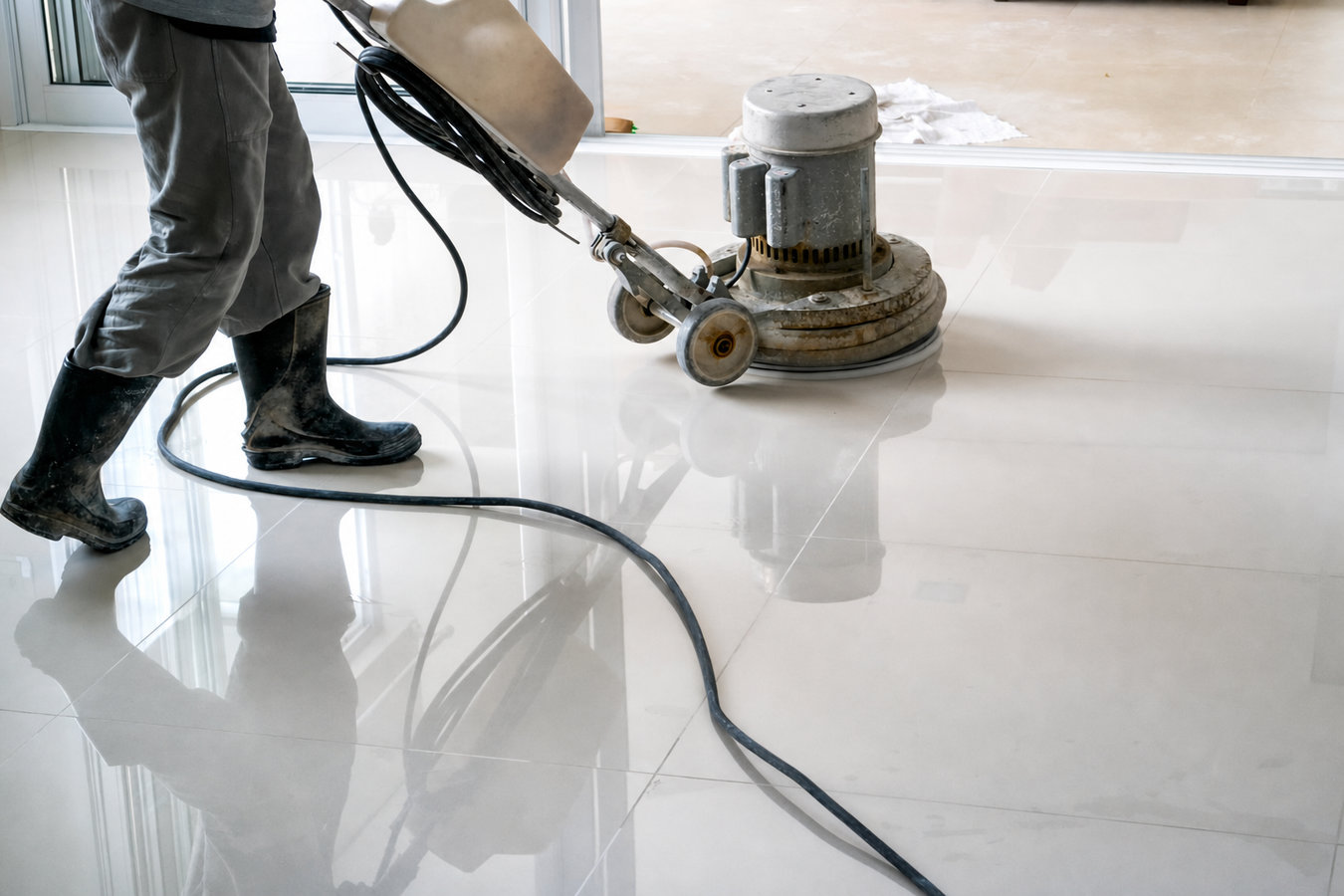
Old coatings, stubborn adhesives, and failing floor coverings have to come off before new flooring can bond and hold. We strip Benbrook slabs safely and completely.
Concrete floor stripping in Benbrook means removing an existing floor covering - such as tile, vinyl, epoxy coating, or paint - from the concrete slab underneath so the bare surface is exposed and ready for whatever comes next, most residential stripping jobs in a single garage or room are completed within one day.
It does not mean removing the concrete itself - that is a different, larger job called slab removal. Most homeowners only need the surface layer cleared. If you have pulled up carpet or tile and found a layer of sticky black or yellow adhesive left behind, that residue has to go before any new flooring can bond properly. Trying to lay new material over old adhesive creates an uneven surface and causes the new floor to fail prematurely. Stripping handles it correctly and quickly. Once the slab is clean, it pairs naturally with concrete grinding and surface preparation to profile the slab for maximum adhesion before any new coating or flooring goes down.
For Benbrook homeowners in older homes - particularly those built between the 1960s and 1980s - there is an important question to ask before any stripping begins: whether old floor tiles or adhesives contain asbestos. A reputable contractor raises this before starting work, not after.
If the paint, epoxy, or sealant on your concrete floor is lifting away in patches, the bond between the coating and slab has failed. This happens frequently in Benbrook garages and basements because the clay soil underneath shifts with seasonal moisture changes, stressing the coating from below. Patching over a failing coating rarely works - stripping it completely and starting fresh is the only reliable fix.
If you have pulled up tile, vinyl, or carpet and found a layer of old adhesive behind, that residue has to come off before any new flooring goes down. Laying new material over old glue creates an uneven surface and causes the new floor to fail prematurely. Stripping removes it cleanly and faster than hand scraping.
Persistent musty odors or dark staining on a concrete floor can mean moisture has been trapped under a coating or old flooring. In Benbrook, where summer humidity and rain events can push moisture up through slabs, this is not uncommon. Stripping lets the concrete breathe and dry out, and gives you a clear look at whether a moisture problem needs to be addressed before new flooring goes down.
If you are turning a garage, workshop, or storage building into a room you will actually use, the existing concrete floor almost certainly needs stripping. Garage floors typically carry layers of oil, paint, and sealant that are incompatible with new coatings or flooring materials. Stripping gives you a clean, stable starting point for whatever finish you have in mind.
We use floor grinders, shot blasters, and hand tools - selecting the right method based on what type of coating or adhesive is present, how thick it is, and what the slab needs to look like when the work is done. Every job starts with an on-site assessment so we understand what we are working with before equipment rolls in. For jobs in older Benbrook homes, we follow Texas environmental guidelines for safe handling of potentially hazardous floor materials. The Texas Commission on Environmental Quality sets the rules for testing and handling asbestos-containing floor materials in Texas - requirements we follow on every job in homes built before the mid-1980s.
When full slab removal is what the project actually requires - not just coating removal - we handle that too, including breaking up the concrete, loading the debris, and hauling it away. Once the slab or bare concrete surface is clear, the next step is typically epoxy floor coatings or another durable finish that bonds directly to properly stripped concrete. We can walk you through the options during the estimate.
Best for garages, basements, and interior slabs where a previous coat of epoxy, paint, or sealant has failed and needs to be fully removed before a new one can be applied.
Best for floors where tile, vinyl, or carpet has been pulled and left behind sticky mastic or black cutback adhesive that would prevent new flooring from bonding.
Best for older floors with several generations of coatings layered on top of each other - we remove all layers cleanly so the bare slab is exposed and ready.
Best for slabs that are too damaged, cracked, or settled to resurface - we break up the concrete, haul away the debris, and prepare the ground for a new pour.
A significant portion of Benbrook's residential neighborhoods were developed between the 1960s and 1980s, which means many homes have original floor materials - vinyl tile, sheet vinyl, or mastic adhesive - that may contain asbestos. This is not a reason to panic, but it is a reason to test before any stripping begins. Texas requires licensed handling of confirmed asbestos-containing materials, and a contractor who skips this step creates a health and liability risk for you and your family. The U.S. Environmental Protection Agency provides guidance on identifying and safely handling asbestos-containing floor materials. Homeowners in Crowley and other nearby communities with similar housing stock from that era face the same consideration, and we approach every pre-1985 home the same way: ask first, test if needed, then proceed.
Benbrook also sits on expansive clay soil that swells with rain and shrinks in drought - and that movement can crack slabs, separate coatings from the concrete beneath, and create uneven surfaces that make stripping more complicated. Before investing in new flooring, it is worth having the slab assessed to confirm any movement has stabilized. If the slab is still shifting, a fresh coating applied right after stripping may fail within a year. Homeowners in Burleson and throughout southern Tarrant County face the same clay-soil challenges, and we include a slab stability check in every estimate so you have the full picture before you commit.
Tell us the size of the area, what is currently on the floor, and what you want to do with it afterward. We offer free on-site estimates and reply within 1 business day. Getting two or three quotes before committing is a smart move, and we will give you a written one.
We visit the space and look at the slab condition, identify what kind of coating or adhesive is present, and check for moisture or damage. For homes built before the mid-1980s, we ask about asbestos testing before any work begins - that step protects you, not just us.
Before the crew arrives, remove everything from the room - furniture, appliances, and anything stored near the work area. We seal off doorways with plastic sheeting to contain dust and may ask you to turn off HVAC vents in the area. Most residential jobs are done in one day.
Once stripping is complete, we vacuum, sweep, and remove all debris. Walk through the space with us before we leave - run your hand across the floor to check for sticky patches or uneven spots, and ask about the slab's condition. We tell you exactly what the concrete needs before new flooring goes down.
Free written estimate. No obligation. We reply within 1 business day.
(817) 438-1248Every stripping job starts with an honest look at what is actually there - the type of coating, whether moisture is present, and whether the slab itself is stable. You make decisions based on real information, not a crew that starts work before they know what they are dealing with. Surprises after the job is done are expensive.
A large share of homes in Benbrook were built during the era when asbestos-containing floor materials were common. We follow Texas environmental requirements and raise the testing question before any work begins in older homes - not after. That step protects your family and keeps you clear of liability for work done incorrectly.
Floor grinders, shot blasters, and hand tools each work best in different situations. We select the method based on what type of material is on your slab, how thick it is, and what the surface needs to look like afterward. Using the wrong tool too aggressively can damage a slab that was otherwise worth saving.
Stripping is step one. After the job, we walk you through the slab's condition and tell you specifically what it needs before new flooring goes down - whether that is moisture treatment, surface profiling, or simply time to dry. You leave with a clear picture, not a bare floor and unanswered questions.
In Texas, concrete contractors are not required to hold a state-issued license the way electricians or plumbers are, so the burden of vetting falls on you. Before any crew starts work, ask for proof of general liability insurance and local references. The American Society of Concrete Contractors maintains standards for surface preparation work that experienced contractors reference - a good starting point for understanding what quality stripping looks like and what to ask before you hire.
Apply a durable, cleanable epoxy finish directly to the bare concrete slab once stripping is complete and the surface is properly prepared.
Learn MoreProfile and smooth the stripped slab surface so any new coating or flooring bonds correctly without adhesion failures.
Learn MoreSchedule now for a free on-site estimate. We will walk your space, explain exactly what the job involves, and give you a written quote you can compare.